

Canada Rent Inflation Slowed in May While Gas Kept CPI Hot
Statistics Canada reported that rent inflation eased to 3.5% in May, its slowest pace since January 2022, even as gasoline and grocery prices pushed headline inflation to 3.2%. The practical takeaway for renters and mortgage households is modest: shelter costs are no longer adding as much pressure as they did earlier in the cycle, but food and fuel are still squeezing monthly budgets.
Verified by Kevin Jenkins
Editor reviewed
Signed off by Kevin Jenkins on . AI-assisted tools may have supported the workflow; source quality and factual claims are reviewed as part of editorial control.
Editorial standards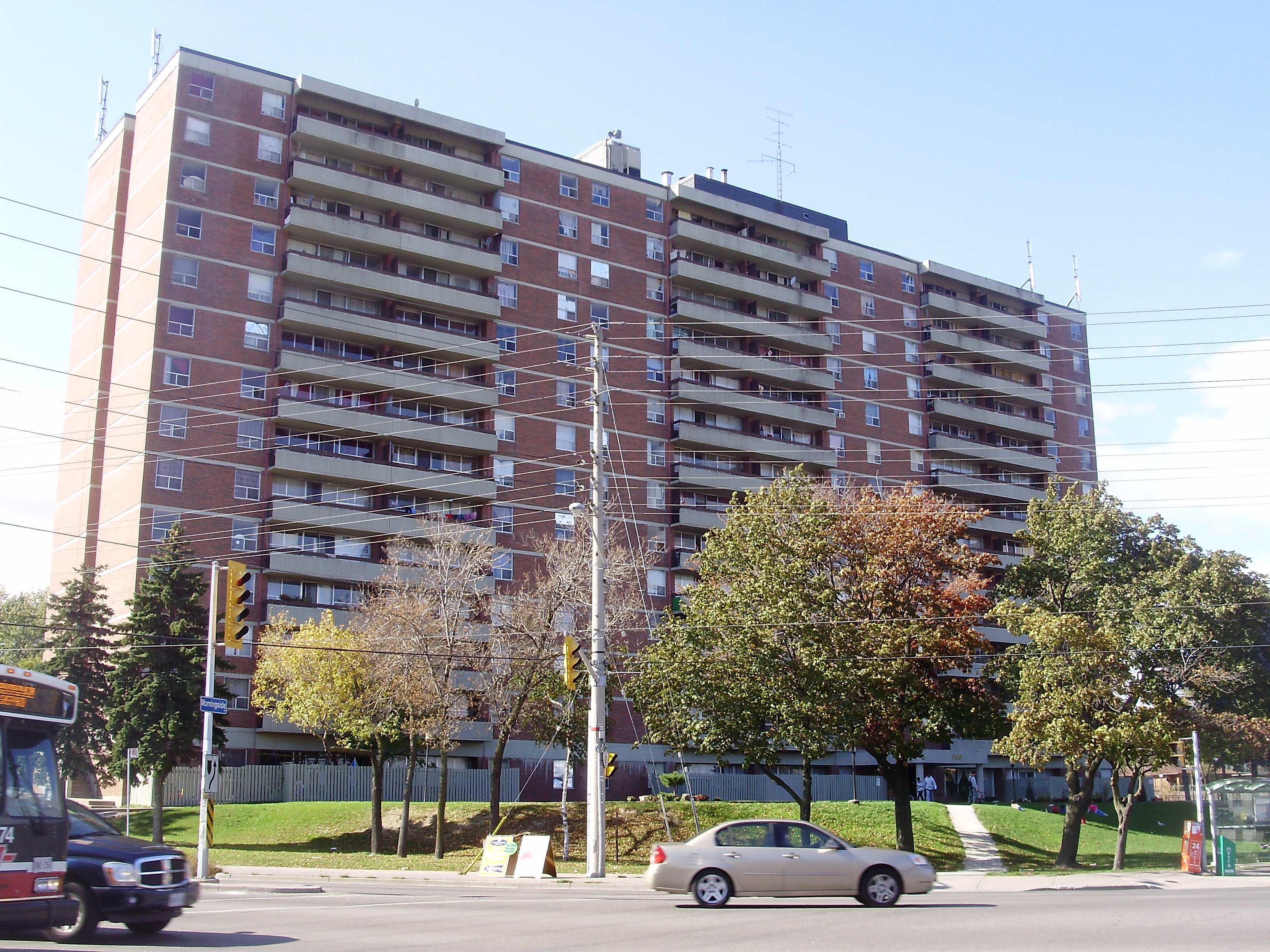
Why it matters
Statistics Canada reported that rent inflation eased to 3.5% in May, its slowest pace since January 2022, even as gasoline and grocery prices pushed headline inflation to 3.2%. The practical takeaway for renters and mortgage households is modest: shelter costs are no longer adding as much pressure as they did earlier in the cycle, but food and fuel are still squeezing monthly budgets.
Canada's latest inflation report brought a small but useful housing-cost signal for renters: rent inflation slowed to 3.5% in May, the lowest annual pace since January 2022, according to Statistics Canada. That helps households read the CPI report with more precision, because the same release also showed headline inflation jumping to 3.2% as gasoline and food prices kept pressure on monthly budgets.
The practical takeaway is modest, not magical. Shelter costs are no longer accelerating the way they did earlier in the rate-hike cycle, but Canadians still face higher grocery prices, volatile fuel costs and no guarantee that slower rent inflation will quickly show up in every lease renewal.
| CPI measure | May 2026 | Why it matters for households |
|---|---|---|
| Headline CPI | 3.2% year over year | The overall inflation rate moved above April's 2.8% pace, mainly because gasoline rose sharply. |
| Shelter | 1.7% year over year | Shelter inflation eased from 1.8% in April, lowering one major source of CPI pressure. |
| Rent | 3.5% year over year | Rent growth slowed to its lowest annual pace since January 2022. |
| Food from stores | 4.3% year over year | Groceries still rose faster than the headline CPI for the 16th consecutive month. |
| Gasoline | 33.2% year over year | Fuel was the main reason the headline number accelerated. |
What changed in the shelter line
Statistics Canada said shelter prices rose 1.7% from a year earlier in May, down from 1.8% in April. The homeowners' replacement cost index declined 2.5% year over year, other owned accommodation expenses fell 2.1%, and the mortgage interest cost index declined 0.2%.
That mortgage-interest line is especially important for households renewing loans or watching variable-rate budgets. Statistics Canada described May as the 33rd consecutive month of year-over-year deceleration in the mortgage interest cost index, meaning the rate shock is still present but is adding less new inflation pressure than it did at its peak.
Rent moved in the same direction. Annual rent inflation slowed to 3.5% from 3.6% in April, marking the lowest reading since January 2022. Canadian Mortgage Professional, summarizing the same CPI release for mortgage-market readers, also highlighted shelter as the one part of the report that offered some relief.
Why renters should read this carefully
A slower national rent-inflation rate does not mean rents are falling, and it does not mean every city or household is seeing easier terms. It means the rate of increase has cooled. For a renter facing a renewal, that difference matters because it can shift the conversation from panic over runaway increases toward a more evidence-based check on local listings, provincial rules and comparable units.
The second-layer insight is that shelter is one of the few large household categories in the May report pointing in a calmer direction. When rent, mortgage-interest pressure and replacement costs cool while gasoline spikes, the right conclusion is not that life is cheaper. It is that the cost squeeze is changing shape, with fuel and fresh food doing more of the damage and shelter doing less.
For households, that changes what to watch. Renters may get more value from checking comparable local rents and timing a move carefully than from assuming every landlord has the same pricing power as a year or two ago. Mortgage households should still budget cautiously, but the CPI data suggest the broad mortgage-interest inflation impulse is no longer worsening at the old pace.
The big caveat is groceries and gas
The May CPI report was not a clean affordability win. Statistics Canada said gasoline prices rose 33.2% from a year earlier, with supply uncertainty tied to the closure of the Strait of Hormuz putting upward pressure on prices for a third consecutive month. Reuters reporting republished by Al Jazeera noted that Canada's headline rate moved outside the Bank of Canada's 1% to 3% target range for the first time in nearly two and a half years.
Food remained another hard spot. Prices for food purchased from stores rose 4.3% year over year, the 16th consecutive month that grocery inflation outpaced the headline CPI. Fresh vegetables rose 9.0%, and Statistics Canada said tomato prices jumped 45.2% because of supply contractions in Mexico tied to poor weather and reduced planted acreage after U.S. tariffs.
That is why the constructive angle has to stay narrow. Slower rent inflation can reduce one source of anxiety, but it does not offset a month in which transportation and grocery bills were still moving the wrong way for many households.
What it means for the Bank of Canada
The Bank of Canada tracks core inflation measures because gasoline, food and tax changes can create large swings in headline CPI. Its CPI table showed May CPI-trim at 2.0% and CPI-median at 2.1%, both unchanged from April, while headline CPI rose to 3.2%.
That mix gives policymakers a complicated read: the headline number is hot, but some underlying measures and shelter components look steadier. Al Jazeera's Reuters-based report said the May number was not likely to alter the Bank of Canada's assessment of underlying inflation because officials had already seen limited evidence that higher energy prices were spreading broadly.
For readers, the next checkpoint is practical rather than theoretical. The Bank of Canada's next scheduled rate announcement and Monetary Policy Report are due July 15, and Statistics Canada says the June CPI release is scheduled for July 20. Those two dates will show whether May's shelter improvement keeps holding and whether the gasoline spike fades or starts to pull other prices higher.
The household takeaway
Renters should treat the May report as a bargaining and planning signal, not as proof that rents are broadly affordable again. Slower rent inflation gives households a reason to compare listings, review renewal terms and avoid assuming that last year's market pressure automatically carries into this year.
Homeowners and buyers should read the mortgage-interest deceleration in the same restrained way. It is a sign that one of the biggest inflation channels from earlier rate increases is easing, but it does not remove the need to stress-test payments, insurance, taxes and utilities.
The calmer message is this: May's CPI report did not make Canadian household budgets comfortable, but it did show that the shelter part of the squeeze is no longer worsening in the same way. In a month dominated by fuel and grocery pressure, that distinction is useful.
Sources & further reading
- Consumer Price Index, May 2026Statistics Canada
- Canada's inflation hits 29-month high amid heightened oil pricesAl Jazeera / Reuters
- May inflation data raises stakes for Bank of Canada's July callCanadian Mortgage Professional
- Consumer price indexBank of Canada
- Policy interest rateBank of Canada
- Kingston and Morningside Apartments West Hill ScarboroughWikimedia Commons / GTD Aquitaine
Recommended reads

May Retail Sales Give Main Street Shops a Clearer Demand Signal
Official retail sales rose more than expected in May, giving many stores a steadier read on customer demand even as gasoline prices and fading tax refunds limit the relief.
Read analysis.jpg)
California's $45M QSM Credit Puts Solar Wafer Jobs on a Milestone Clock
California approved a $45 million CalCompetes tax credit for The Quartz & Silicon Materials Company's planned silicon ingot and wafer operations in Chula Vista and Calipatria. The regional finance issue is whether a conditional public subsidy can turn a $679 million, 894-job promise into real upstream solar manufacturing before the 2029 milestone deadline.
Read analysis