

Coushatta sawmill rebuild puts Louisiana timber capacity behind a $21M incentive test
C&C Forest Products plans to rebuild its Coushatta, Louisiana sawmill after a 2025 fire, with more than $21 million in investment, 77 projected direct jobs and a state package that includes workforce support and a $1 million infrastructure grant.
Pending review
This article is in WireNorth's review workflow and may include AI-assisted research, drafting, or formatting. Pending articles are not eligible for search indexing until editor review is complete.
Editorial standards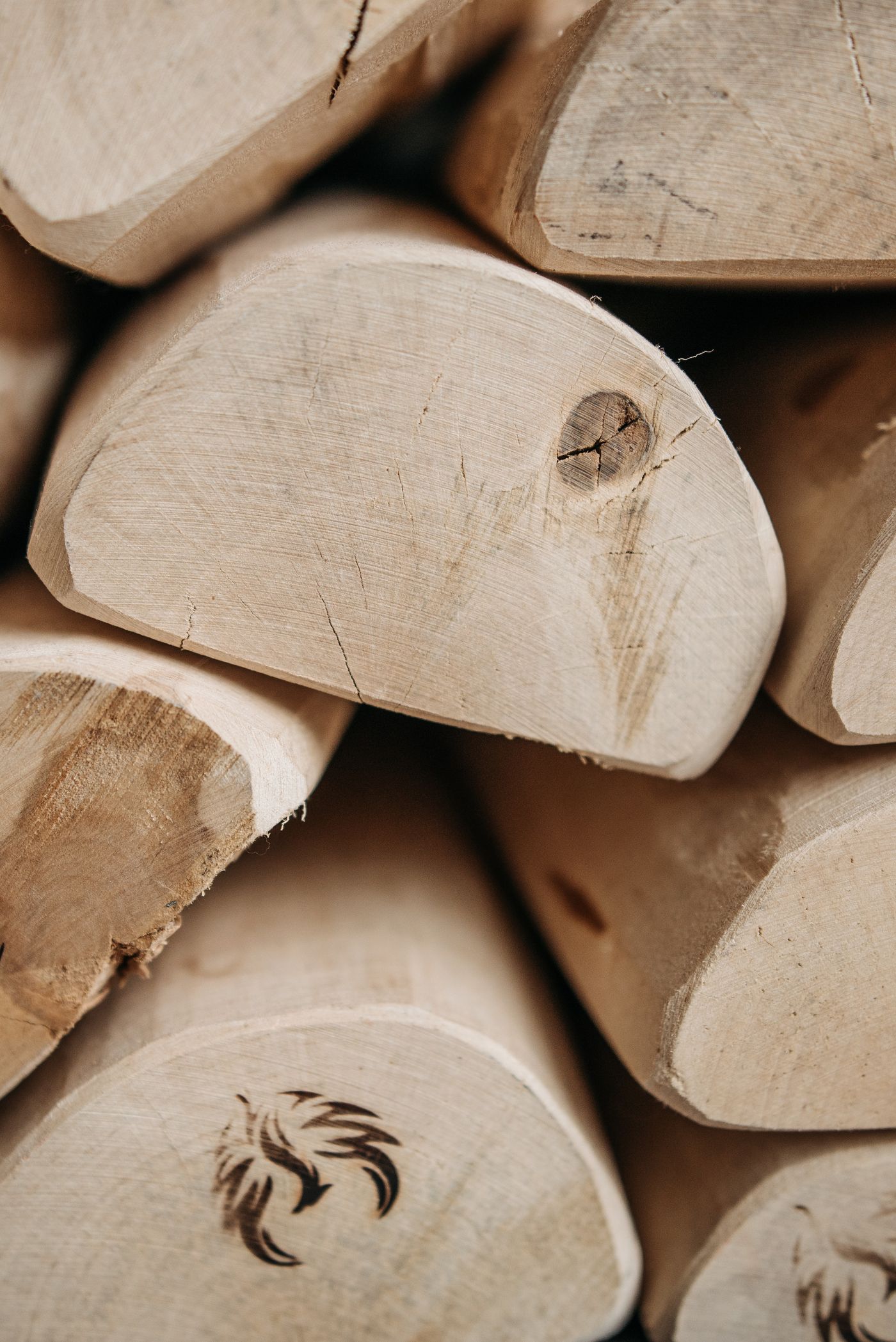
Why it matters
C&C Forest Products plans to rebuild its Coushatta, Louisiana sawmill after a 2025 fire, with more than $21 million in investment, 77 projected direct jobs and a state package that includes workforce support and a $1 million infrastructure grant.
C&C Forest Products plans to rebuild and modernize its Coushatta, Louisiana sawmill after a 2025 fire, turning a damaged rural timber asset into a more than $21 million production and incentive test for northwest Louisiana. Louisiana Economic Development said the project is expected to create 77 direct jobs, retain 27 existing positions and support an estimated 256 additional indirect jobs across the region.
The June 11 state announcement gives the story a concrete public record: a site at 306 Wilkinson St., a rebuild aimed at specialty lumber and timbers, a $1 million performance-based grant for utility and infrastructure improvements, LED FastStart workforce support, and expected participation in Louisiana's Quality Jobs and Industrial Tax Exemption programs. New Orleans CityBusiness and the Red River Parish Journal separately reported the rebuild, tying the same investment to the sawmill's return after the fire.
The economic mechanism is not simply that another manufacturer is adding jobs. Coushatta is a small parish-seat town in a region where forestry and wood products are part of the industrial base. The useful question is whether public support can convert a post-fire rebuild into higher-value specialty lumber capacity, while preserving local jobs that would be hard to replace if the mill stayed offline.
| Measure | Disclosed figure | Why it matters |
|---|---|---|
| Private investment | More than $21 million | Shows the rebuild is a capital project, not just repairs after the fire |
| Direct employment | 77 projected new direct jobs and 27 retained positions | Sets a measurable local labor impact for Red River Parish |
| Wages | $65,260 average annual salary for the projected direct jobs | LED says that is 34% above the Red River Parish average wage |
| Indirect employment estimate | 256 additional indirect jobs, according to LED | Frames the wider supplier, service and household-spending effect as an estimate |
| Public support | $1 million performance-based grant, LED FastStart and expected tax-incentive participation | Makes the rebuild a taxpayer and workforce-development question as well as a company decision |
The capacity number needs careful reading
LED's main project description says the rebuilt sawmill will be capable of producing up to 90 million board feet annually once complete. The same official page, in its company background section, says the rebuilt mill will be capable of producing up to 70 million board feet annually. That inconsistency does not undermine the core event, but it does mean readers should treat final capacity as a checkpoint rather than a settled number until equipment specifications or operating targets are clarified.
That distinction matters because capacity is the part of the announcement that connects Coushatta to a broader market. A higher-throughput specialty lumber mill can change the local economics for log suppliers, truckers, maintenance contractors and buyers who need larger timbers or non-commodity products. But promised capacity only becomes economic value if the rebuilt line is installed, staffed, supplied with logs and selling product on schedule.
Why the rebuild matters beyond one facility
Forestry is not a fringe industry in Louisiana. LSU AgCenter estimates the state's forest industry contributed $11.03 billion to Louisiana's economy in 2021, associated with 37,012 jobs and $2.27 billion in labor income. That context helps explain why a relatively small job number can still matter in a rural parish: sawmills anchor demand for timber, maintenance, hauling and support services that spread beyond the plant gate.
The second-layer insight is that the public value of the rebuild depends on what kind of mill returns. Rebuilding the old operation would preserve some local activity. Reconfiguring the site with updated equipment and a specialty-lumber focus could raise the value of each log processed, widen the market served from Coushatta and make the facility more resilient than it was before the fire. The state incentive package is effectively betting on that higher-value version of the rebuild.
There is also a financing discipline test. LED described the $1 million grant as performance-based and tied to utility and infrastructure improvements. The company is also expected to participate in state tax incentive programs. Those details put the next burden on measurable follow-through: capital spending, construction completion, hiring, wage levels and whether the tax benefits are matched by operating activity in Red River Parish.
What to watch next
The first checkpoint is the construction schedule. LED said construction is expected to begin in the first half of 2026, with the facility anticipated to begin sales in the first quarter of 2027; the same release also says construction is expected to be complete by the end of 2026. Those dates give readers a clear way to judge whether the rebuild is moving from announcement to operating asset.
The second checkpoint is the final production target. If the company and state clarify whether the rebuilt mill is being built around 70 million or 90 million board feet of annual capacity, the market implications become easier to assess. The third checkpoint is hiring: whether the 77 projected jobs arrive at the wage level LED cited, and whether the 27 retained positions remain in place through the transition.
For Coushatta, the rebuild is a practical rural finance story. A fire-damaged sawmill is being brought back with private capital and public support. The payoff will be measured less by the announcement than by whether the rebuilt operation starts selling lumber in early 2027, sustains the promised jobs and proves that specialty timber capacity can support a stronger local industrial base.
Sources & further reading
- C&C Forest Products Invests Over $21 Million to Rebuild Coushatta SawmillLouisiana Economic Development
- C&C Forest Products to invest $21M rebuilding Coushatta sawmillNew Orleans CityBusiness
- C&C Forest Products to invest over $21 million to rebuild Coushatta sawmillRed River Parish Journal
- Economic Contribution of the Forest Industry on Louisiana's Economy in 2021LSU AgCenter
- Tree Logs in SawmillPexels / Pavel Danilyuk
Recommended reads

SBA's New $10 Million Loan Cap Helps Capital-Heavy Small Businesses Finance Growth
Eligible small businesses can now combine SBA 7(a) and 504 financing for up to $10 million after a new loan-limit policy took effect July 4. The change is most useful for established, capital-heavy firms that need both working capital and long-term financing for real estate or equipment.
Read analysis
June Home Sales Drop as Record Prices Keep Buyers on the Sidelines
Existing-home sales fell 2.4% in June even as the median U.S. resale price reached a record $440,600. The split matters for buyers, sellers and lenders because mortgage rates near 6.5% are keeping transaction volume weak while limited inventory continues to support prices.
Read analysis